Starting a business in 2026 comes with real challenges.
From persistent inflation and higher borrowing costs to supply chain uncertainty and cautious consumer spending, many industries are under pressure. Margins are tighter, operating costs remain elevated, and demand can shift quickly.
According to the US Bureau of Labor Statistics, around 1 in 2 businesses fail within five years. So where should entrepreneurs focus? While no business is ever truly “fail-proof,” some industries consistently prove more resilient than others. These businesses are built on essential demand, recurring revenue, and long-term structural trends.
In this guide, we break down the best low-risk businesses in the United States, industries with stronger long-term demand, and sectors that tend to hold up during inflation, recession, and global disruption.
If you’re looking for recession-proof business ideas in the US, this is where to start.
10 US Businesses That Rarely Fail (2026)
Real Estate & Property Services
Real estate remains one of the most durable sectors in the US economy. Housing is a fundamental need, and despite market cycles, demand for property management, rentals, and housing services remains strong. According to the US Bureau of Economic Analysis, real estate is one of the largest contributors to US GDP, driven by both residential and commercial activity.
For entrepreneurs, this creates opportunities across property management, leasing, maintenance, short-term rentals, and specialist housing. While interest rates and financing conditions can affect entry, the underlying demand for housing and space remains consistent over the long term.
Commercial Cleaning Services
Commercial cleaning is one of the most quietly resilient business models in the US. Cleaning is a non-negotiable service across offices, healthcare, retail, and industrial environments, and demand doesn’t disappear during downturns.
Most businesses operate on recurring contracts, which creates predictable revenue and strong client retention. In 2026, hygiene standards remain high, particularly in regulated environments and shared spaces. For entrepreneurs, this means low barriers to entry, scalable operations, and a stable, contract-driven income model.
Tip: To find out how franchising works at international cleaning franchise Molly Maid, read our case study Behind the Scenes: The Molly Maid Franchise Story
Funeral Services
Funeral services are driven by one of the few truly inelastic forms of demand. Regardless of economic conditions, the need for these services remains constant.
The US population is ageing, with Census Bureau projections showing steady growth in the over-65 demographic over the coming decades. This creates long-term demand for funeral homes, cremation services, and related businesses.
For operators who focus on service quality, transparency, and community trust, this is one of the most stable sectors available.
Senior Care & Home Care Services
Senior care is one of the fastest-growing sectors in the US, supported by long-term demographic trends. The number of Americans aged 65 and older is projected to rise significantly over the coming decades, creating sustained demand for care services.
Demand is particularly strong for home care, as more families choose to support ageing relatives at home rather than in institutional settings. This creates opportunities across home healthcare, assisted living support, mobility services, and specialist care. While the sector is regulated and operationally complex, the long-term demand trend is clear.
Self-Storage
Self-storage has become one of the most reliable real estate-adjacent sectors in the US. Industry data shows consistently high occupancy rates, supported by lifestyle trends such as relocation, downsizing, and small business storage needs.
Demand tends to remain stable even during economic downturns, as people move, consolidate, or adjust how they use space. For operators, this creates a model with recurring revenue, relatively low staffing requirements, and strong long-term utilization.
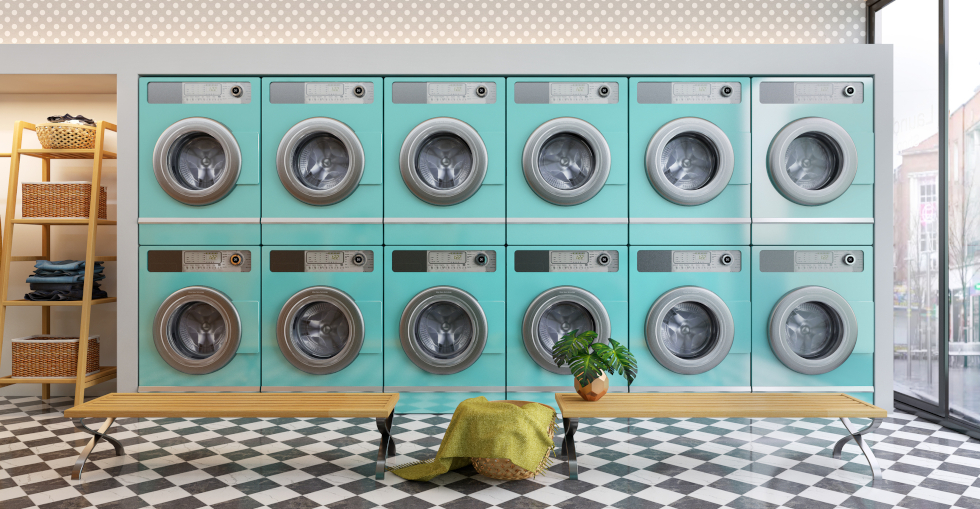
Laundromats & Laundry Services
Laundromats continue to be one of the most proven small business models in the US. Demand is consistent, particularly in urban areas, rental-heavy markets, and lower homeownership regions.
Unlike many retail businesses, laundromats are not easily disrupted by e-commerce and rely on repeat usage. While utilities and equipment costs are key considerations, operators who choose the right location and manage costs effectively can build stable, cash-generating businesses.
Payment Processing & Fintech Services
Digital payments are now fundamental to commerce in the US. According to the Federal Reserve, card and digital payments continue to grow steadily, while cash usage continues to decline.
Every business needs to process transactions, which creates constant demand for payment solutions, POS systems, e-commerce checkout tools, and financial software. Businesses that can offer efficient, secure, and integrated solutions are well positioned for long-term growth.
Insurance Services
Insurance is one of the most established and resilient industries in the US. From auto and home insurance to health and business coverage, demand is driven by both necessity and regulation.
Economic uncertainty often increases demand for insurance, as individuals and businesses look to protect assets and manage risk. For entrepreneurs, opportunities exist in brokerage, niche insurance products, and advisory services.
IT Support & Managed Services
Technology is now critical to business operations, and most small and mid-sized companies rely on external IT support rather than in-house teams.
Demand for cybersecurity, cloud services, data protection, and ongoing technical support continues to grow. Even during downturns, businesses cannot afford system failures or security breaches, making IT services one of the most resilient sectors.
Pet Services
The US pet industry continues to grow steadily, driven by long-term trends in pet ownership and increased spending on animal care. Services such as grooming, boarding, training, and healthcare remain in consistent demand.
While discretionary spending can fluctuate, core pet care services tend to remain stable. For entrepreneurs, this creates opportunities in local, service-based businesses with loyal customer bases and repeat customers.
The Bottom Line
No business is completely immune to failure. However, in 2026, the most successful entrepreneurs are focusing on essential services, stable demand, and adaptable business models.
With inflation, cost pressures, and economic uncertainty continuing to shape the market, resilience matters more than ever. Choosing the right sector and executing effectively can significantly improve your chances of long-term success.
Now that you’re up to speed on some of the most resilient business sectors in the US, you can explore thousands of businesses for sale and take the next step toward ownership.
FAQs
What are the most recession-proof businesses in the US?
Property services, healthcare and senior care, self-storage, IT services, insurance, and cleaning services are among the most resilient industries due to their essential nature and recurring demand.
What businesses are least likely to fail in 2026?
Businesses with recurring revenue and essential services tend to perform best. Examples include cleaning services, care services, laundromats, IT support, and self-storage.
What industries will always be in demand?
Healthcare, housing, financial services, technology support, funeral services, and food production are expected to remain essential regardless of economic conditions.